
A windshield optical-quality project becomes easier to scope when the team turns a broad symptom or program requirement into named areas, points, conditions, and a measurement plan. OWADMS-01 automatically measures optical angular deviation, binocular deviation, and optical wedge angle. The system performs line-scan measurements across multiple designated sample areas and points in one run. The working-temperature range is 15 to 35 degrees Celsius, with relative humidity below 85%.
This makes OWADMS-01 worth evaluating when an automotive-windshield team needs a model-specific way to plan multiple designated optical measurements. It does not mean that every windshield geometry, target point plan, facility condition, or acceptance requirement shares one finished configuration. Those project conditions need to be defined before a system is scoped.
OWADMS-01 Facts That Shape Multi-Point Measurement Planning
| Confirmed product fact | What it helps the buyer plan |
|---|---|
| Automatic measurement of optical angular deviation, binocular deviation, and optical wedge angle | The property the team needs to separate from a general visual symptom |
| Line-scan measurements across multiple designated areas and points in one run | A structured approach to specify the coverage plan |
| HUD-area optical wedge-angle measurement for automotive windshield glass | A named application context for the first project discussion |
| Results can be fitted with straight lines, archived, and loaded | A documented result-review and retrieval workflow |
| Laser sensor system, electronically controlled sample support, industrial PC, and software | The confirmed system components to distinguish from buyer-provided site conditions |
| 70 arcmin or 4200 arcsec measurement range | A model-specific range to compare with the project objective |
Configuration Reference
This guide concerns the OWADMS-01 Optical Wedge Angular Deviation Measurement System and product information verified in September 2026. It is a model-specific planning guide, not an approved layout, universal measurement plan, or windshield acceptance result. Confirm the sample, target property, designated areas, points, environmental conditions, and buyer-owned acceptance basis during technical review.
1. Identify the Optical Property Before Designing the Station
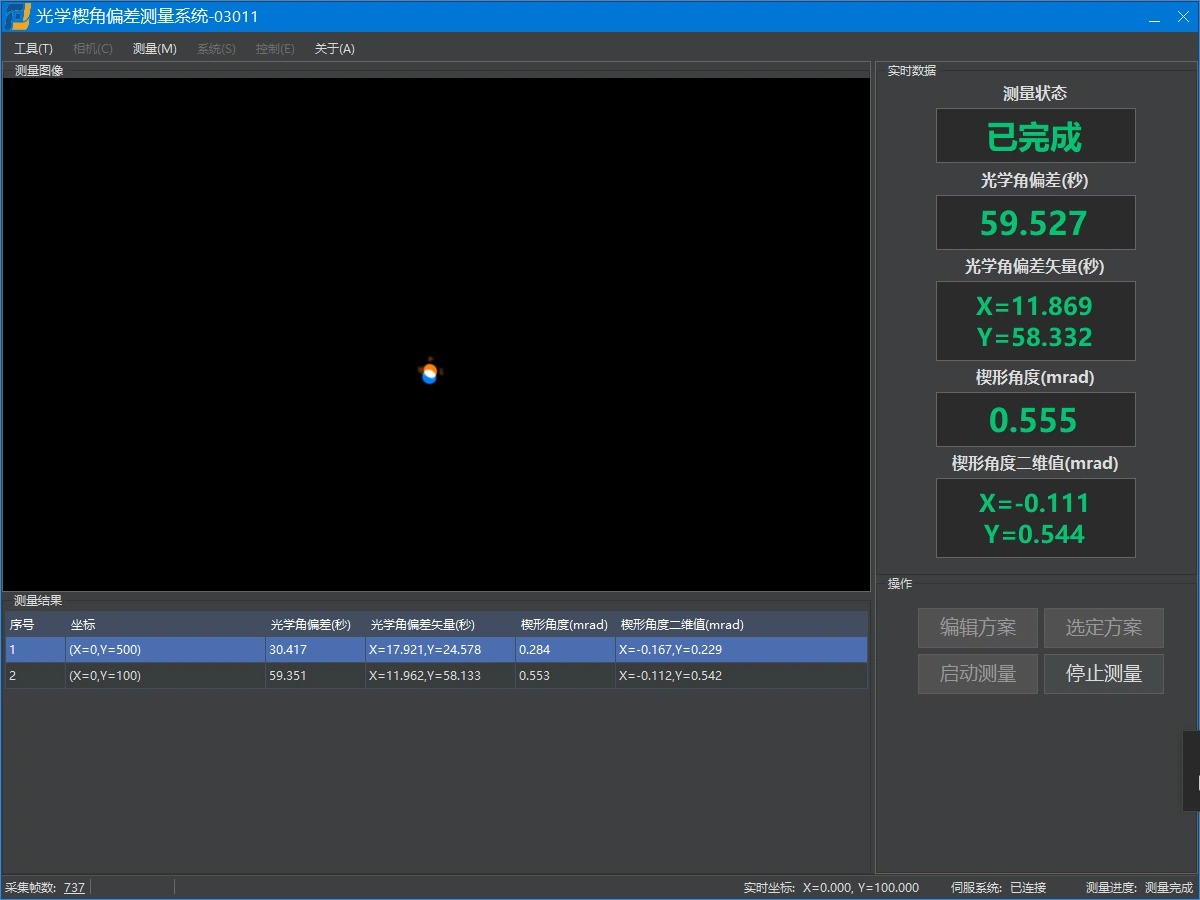
Terms such as ghosting, HUD quality, angular deviation, binocular deviation, and wedge angle are not interchangeable. Start the project discussion with the visible concern and then identify the specific optical property that needs evaluation. The system measures optical wedge angle in the HUD area of automotive windshield glass, while its broader documented role includes optical angular deviation and binocular deviation.
This distinction keeps a team from choosing a point plan based on a symptom alone. It also creates a better request for technical review: windshield construction, intended area, suspected property, current method, and the decision that the result must support.
2. Define Areas and Points Before You Specify Throughput
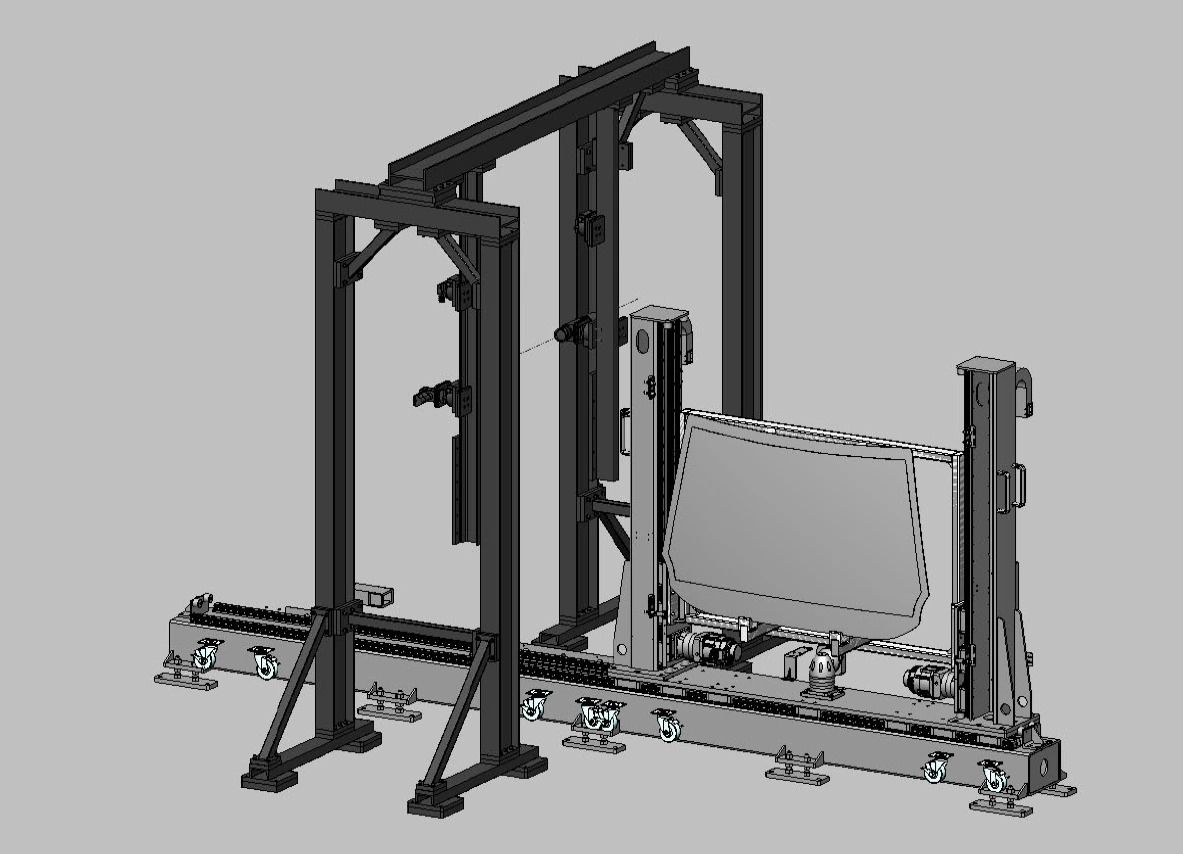
OWADMS-01 performs line-scan measurements across multiple designated sample areas and points in one run. That fact supports a more useful planning sequence: first define the windshield locations and why they matter, then decide the coverage, sample support, operating flow, and required project timing.
The system does not make the point plan generic. Different windshield constructions, HUD areas, program rules, and internal acceptance methods can change the request. Provide a drawing, sample dimensions, identified areas, required points, and any program-specific measurement rationale in the technical discussion.
3. Keep the Result Review Connected to the Measurement Plan
Line-scan results can be fitted with straight lines, and measurement results can be archived and loaded. These functions are useful when a program team needs a repeatable way to revisit a defined measurement run rather than rely on a one-time observation.
Before the project begins, agree on sample identification, date or program state, designated areas and points, the viewing or optical question, and who will review the result. The system can support a structured measurement workflow; it does not create a buyer’s final release, engineering, or compliance conclusion by itself.
4. Scope the System and Site as Separate Parts of the Project
The system consists of a laser light-source sensor system, an electronically controlled sample support, an industrial PC, and software. The working-temperature range is 15 to 35 degrees Celsius, with relative humidity below 85%. These are key input points for the project conversation, alongside sample handling, site utilities, workflow, and environmental conditions.
The measurement range is 70 arcmin or 4200 arcsec. Compare this stated range with the buyer’s target before discussing a standard configuration. If the windshield geometry, point plan, sample support, scan path, data handling, or integration need differs from the proposed route, Jeffoptics can evaluate a tailored hardware, software, fixture, reporting, or system-integration project after reviewing the requirement.
What to Include in an OWADMS-01 Inquiry
- Windshield construction, dimensions, drawings or sample availability, and the relevant HUD or optical area
- Optical target: angular deviation, binocular deviation, optical wedge angle, or a symptom needing technical review
- Designated sample areas and points, current method, desired workflow, and buyer-owned acceptance basis
- Site temperature/humidity conditions, handling concept, data/review needs, and project timing
- Quantity or project scale, destination, budget range, and whether a tailored system discussion is acceptable
FAQ
Does a windshield visual symptom identify the required OWADMS-01 measurement automatically?
No. Define the specific optical property, designated areas, points, windshield condition, and acceptance basis before system scoping.
Can OWADMS-01 plan multiple designated points in one run?
The system performs line-scan measurements across multiple designated sample areas and points in one run. The actual point plan still needs project review.
Can a different fixture, scan path, or integration requirement be discussed?
Yes. Jeffoptics can evaluate a tailored hardware, software, fixture, reporting, or system-integration project after reviewing the requirement.
Post time: Sep-18-2026