
A windshield optical project becomes harder to specify when the station location is chosen before the measurement task. OWADMS-01 automatically measures optical angular deviation, binocular deviation, and optical wedge angle. The measurement range is 70 arcmin or 4200 arcsec. The useful first decision is which outputs, sample positions and comparisons the station must deliver.
For a laboratory, that may mean flexible comparison between windshield designs. For a production-adjacent station, it may mean repeating an agreed measurement plan on selected samples. Automatic measurement alone does not establish automatic loading, an inline cycle or a completed factory-system connection.
What the OWADMS-01 configuration provides
The OWADMS-01 Optical Wedge Angular Deviation Measurement System measures optical wedge angle in the HUD area of automotive windshield glass. The system performs line-scan measurements across multiple designated sample areas and points in one run.
This is useful when a team needs more than one isolated optical observation. A defined scan can organize the comparison across selected regions, provided the sample presentation and measurement plan remain controlled.
| Configuration item | OWADMS-01 detail | Station-planning implication |
|---|---|---|
| Outputs | Optical angular deviation, binocular deviation and optical wedge angle | Name the quantity needed for each decision |
| Range | 70 arcmin or 4200 arcsec | Compare the expected output with the available span |
| Resolution specification | 0.04 arcmin, 2 arcsec, or 0.01 mrad | Confirm the applicable reporting unit; resolution is not accuracy |
| Environment | 15 to 35 degrees Celsius; relative humidity below 85% | Assess the proposed station environment |
| Power | 220 VAC | Plan the stated electrical supply |
Configuration reference: OWADMS-01 official product-page configuration, verified July 2026. The outputs, scan functions and operating conditions apply to the named system. Sample support, loading, takt time, interfaces and any changed configuration need project review.
A laboratory benefits from controlled changes
A development laboratory may compare glass constructions, viewing conditions or designated regions. The station should make each intended change identifiable while keeping the rest of the comparison consistent.
Begin with representative windshields and a written measurement plan. Define the outputs, sample identity, areas and points, presentation conditions and the decision each comparison supports. This keeps a promising scan from becoming a result that cannot be interpreted later.
The benefit of multiple designated areas is a structured way to investigate the chosen optical question. It is not a claim that one scan captures every HUD-quality concern. Wedge angle, angular deviation and secondary-image separation are different measurement targets; select the target before specifying the station.
Use support and scan planning to control the comparison
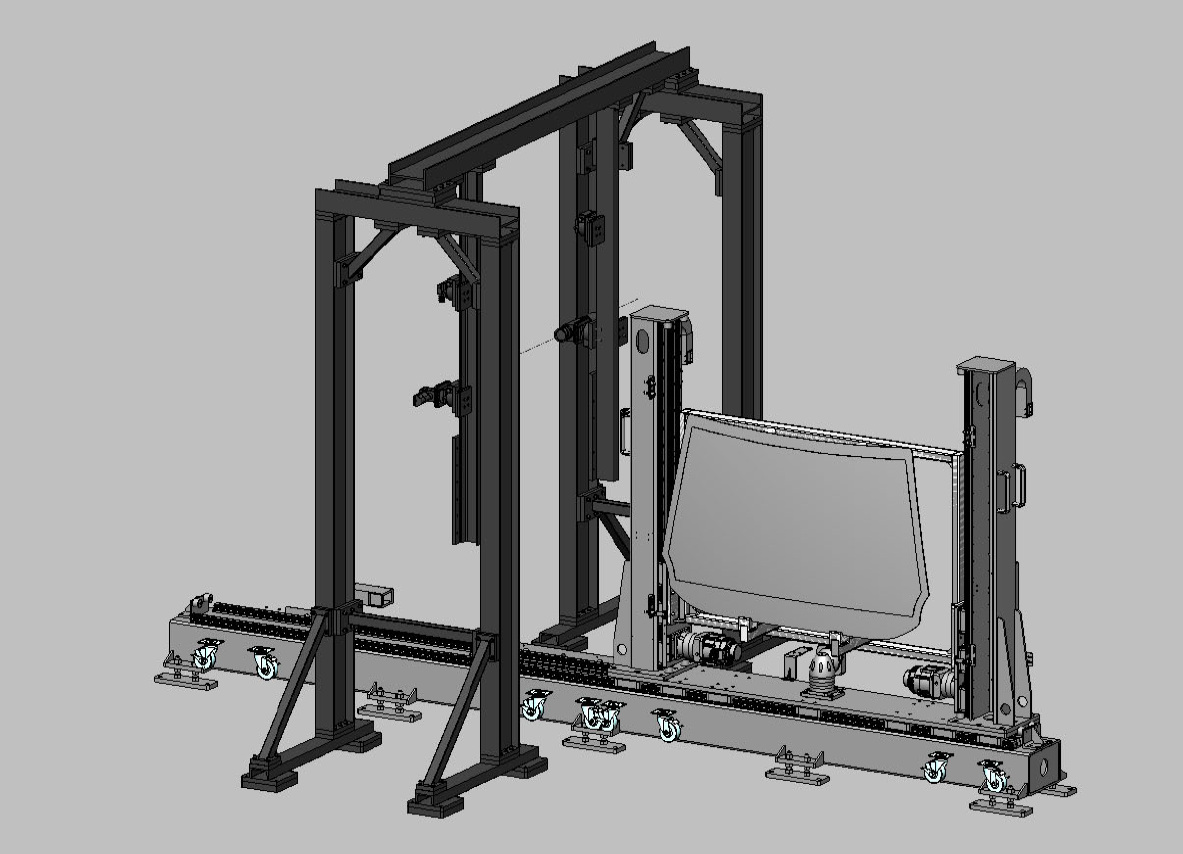
The system consists of a laser light-source sensor system, an electronically controlled sample support, an industrial PC, and software. The controlled support is part of the measurement system; the buyer still needs to define the sample geometry, required presentation and loading workflow.
For a laboratory, discuss how different sample sizes and designs will be presented. For a station near production, discuss where the samples arrive, who loads them and how the correct measurement plan is selected. Treat any special fixture, automatic loading or factory communication as a requirement to evaluate.
This distinction prevents a common purchasing problem: choosing an automatic measuring function and discovering later that the surrounding sample-handling task was never specified. Jeffoptics can evaluate tailored hardware, software and system integration once those interfaces are clear.
A production-adjacent station needs a repeatable routine
A recurring inspection task needs consistent sample identity, presentation, scan locations and review responsibility. Define those items before asking whether the station belongs beside a line or in a separate room.
The working-temperature range is 15 to 35 degrees Celsius, with relative humidity below 85%. Assess whether the proposed location can maintain the stated conditions during the intended operating periods. Record other relevant site constraints for technical review rather than assuming that proximity to production establishes suitability.
Specify expected samples per shift and the available inspection time. Those are project inputs, not demonstrated OWADMS-01 throughput. Ask for evaluation of the complete routine, including loading, measurement, review and any required movement, before committing to a production layout.
Make stored results support a later comparison
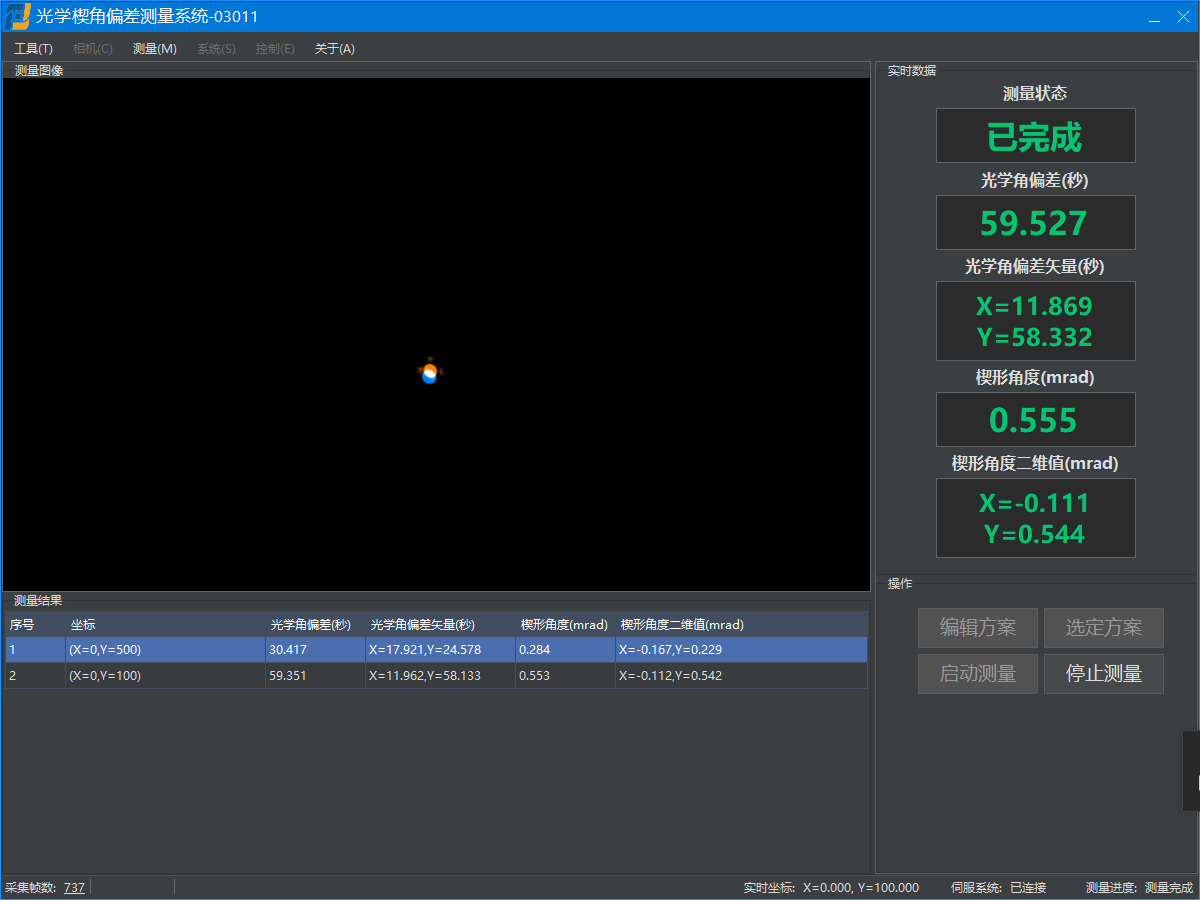
Line-scan results can be fitted with straight lines, and measurement results can be archived and loaded. These functions provide a concrete basis for returning to a previous measurement during a design or quality discussion.
Agree which result belongs to which sample and measurement plan. A laboratory may need to compare successive design trials; a recurring station may need to retrieve a selected sample for review. In both cases, define the identifiers and review process.
Do not assume an available archive supplies every requested report format, automatic traceability scheme or MES interface. Send the desired record structure and connection requirements for a software or integration assessment.
Questions before selecting a station
Does automatic measurement mean the system is ready for an inline installation?
No. The measuring functions are documented, while sample loading, cycle requirements, line interfaces and the complete installation need project-specific review.
Is a production-adjacent station always preferable to a laboratory?
The better choice depends on sample flow, required flexibility, environment and the decision being supported. Choose the routine first, then assess the location.
Can the system measure every cause of HUD ghosting?
Do not treat one optical measurement as a complete diagnosis. Specify whether the task concerns wedge angle, angular deviation, binocular deviation or another optical target.
Request a station-concept review
Send windshield dimensions, construction and curvature; the required optical outputs; measurement areas and points; presentation conditions; sample flow; and the available inspection time. Include environmental constraints, power, loading responsibility, record or interface needs, quantity, destination, budget and schedule.
Discuss a Measurement Station so Jeffoptics can evaluate the OWADMS-01 configuration and any tailored support, software or integration requirements.
Post time: Oct-30-2026