
JF-6 uses scattered light photoelasticity to measure the stress distribution of chemically tempered glass. The stated depth-of-layer range is DOL 10~600 μm. For a laboratory sourcing an instrument, a useful quotation starts with the glass composition, strengthening process, sample form and the depth information needed for its decision.
JF-6 can measure the stress distribution of chemically strengthened glass with Li+ to Na+ ion exchange. The stated stress range is CS 0~2000 MPa. These details make the instrument worth evaluating for a defined strengthening program; send representative samples and the target method for a fit review.
Define the sample and the measured property
The sample size is flat. The stated applications include chemically tempered glass, double ion-exchange glass, and thermally tempered glass. Specify the actual dimensions and thickness of each flat sample, its composition if known, treatment sequence and surface condition. For curved or unusually shaped parts, ask about a tailored approach instead of assuming the standard sample arrangement fits.
| JF-6 detail | RFQ implication |
|---|---|
| Method | Scattered light photoelasticity; identify the stress-distribution decision |
| Stated surface compression range | CS 0–2000 MPa; provide expected values |
| Stated depth-of-layer range | DOL 10–600 μm; provide expected layer depths |
| Sample form | Flat; send dimensions, thickness and treatment |
| Light source | 520 nm laser below 10 mW |
Configuration reference: JF-6, Jeffoptics product page captured July 2026. The quotation should identify the offered configuration and its suitability for the submitted samples.
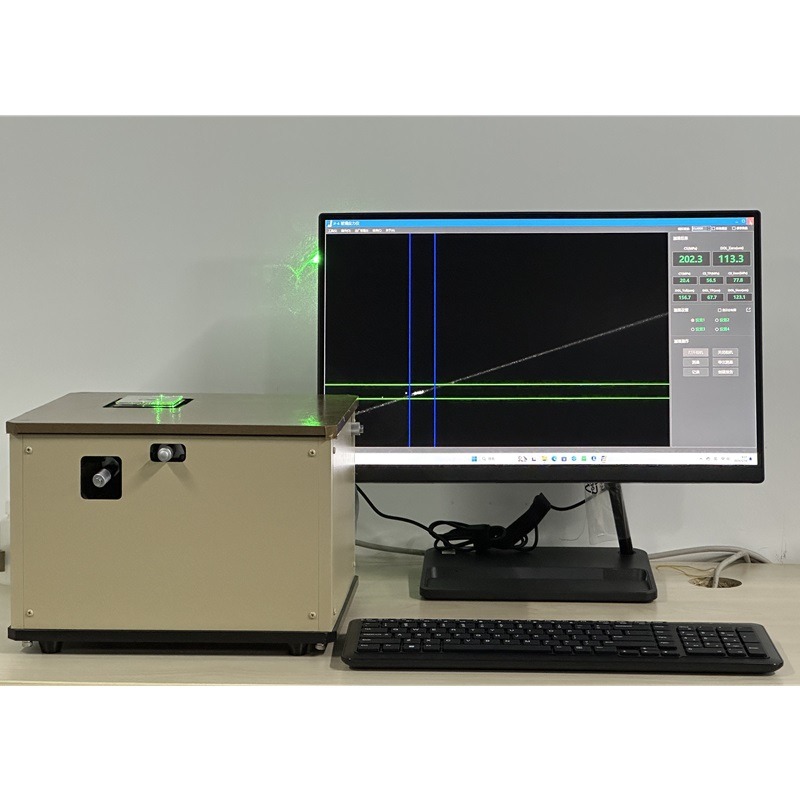
Explain why the distribution matters
An ion-exchange development team may need to compare samples from different recipes, while a quality laboratory may need to monitor a defined process. In either case, identify the decision: compare surface compression, review depth of layer, investigate a change in the stress profile, or assess another quantity. Avoid treating a single number as a complete description of the strengthening process.
Provide representative examples across the expected range, including the exchange route and any double-exchange sequence. The source-backed Li+ to Na+ application is a reason to discuss those samples, not a guarantee that every composition and geometry will be compatible.
Describe the intended workflow
JF-6 uses JF-6 Glass Stress Meter Software. For a meaningful quotation, describe the number of samples and points, operator skills, measurement frequency and how results should be reviewed. Supply a sample report if your laboratory needs a particular record structure, export or connection. These are requirements for evaluation; do not assume an unlisted software function is included.
Specify how you will compare results with existing methods or references and who owns the final acceptance decision. If you need an unusual fixture, report or integration, ask Jeffoptics to assess a custom project and identify technical dependencies.
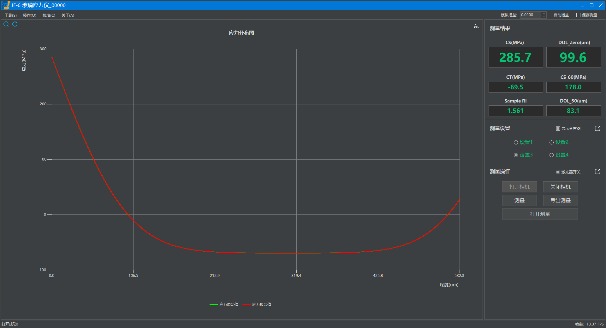
Send a complete quotation request
Include glass composition and exchange chemistry, flat sample dimensions and thickness, treatment history, expected compression and depth, points per sample, current measurement method, target uncertainty and acceptance basis. Add report and interface needs, number of instruments, installation country, training needs, project schedule and budget range.
Review the JF-6 or request a technical quotation.
Frequently asked questions
Can JF-6 measure Li+ to Na+ ion-exchanged glass?
JF-6 can measure the stress distribution of chemically strengthened glass with that exchange route. Review the specific glass and sample with Jeffoptics.
Can a curved sample be measured?
The stated sample form is flat. Submit curved-part geometry for an alternative or tailored-solution feasibility review.
Post time: Nov-19-2026